Portage First-Time Homebuyer Guide for a Confident Start
May 28, 2026
May 28, 2026
Buying your first home in Portage can feel exciting and overwhelming at the same time. You may be wondering how much house you can afford, how fast you need to move, and what to watch for in an older home. The good news is that with the right plan, you can make smart decisions from day one and avoid costly surprises. Let’s dive in.
If you are buying in Portage, it helps to understand the local market before you tour homes. Portage has about 49,975 residents, and about 69.1% of homes are owner-occupied. The median value of owner-occupied homes is $262,300, which gives useful context as you begin comparing prices and neighborhoods.
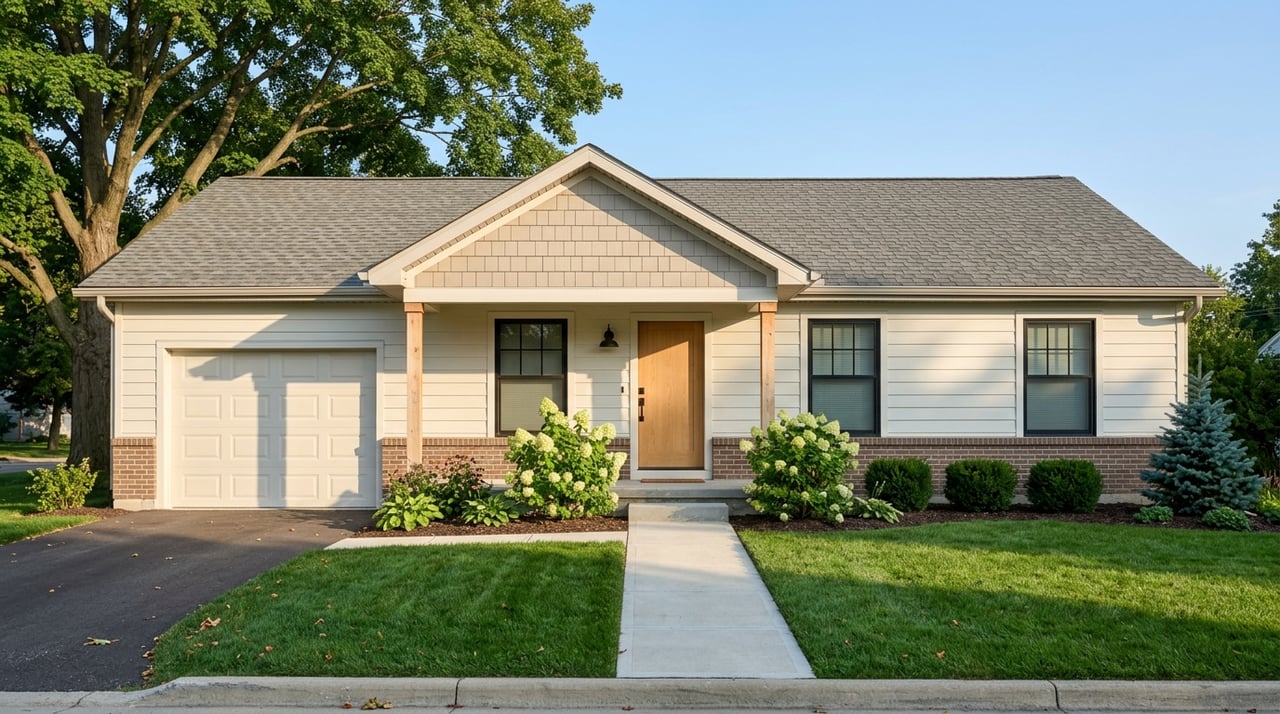
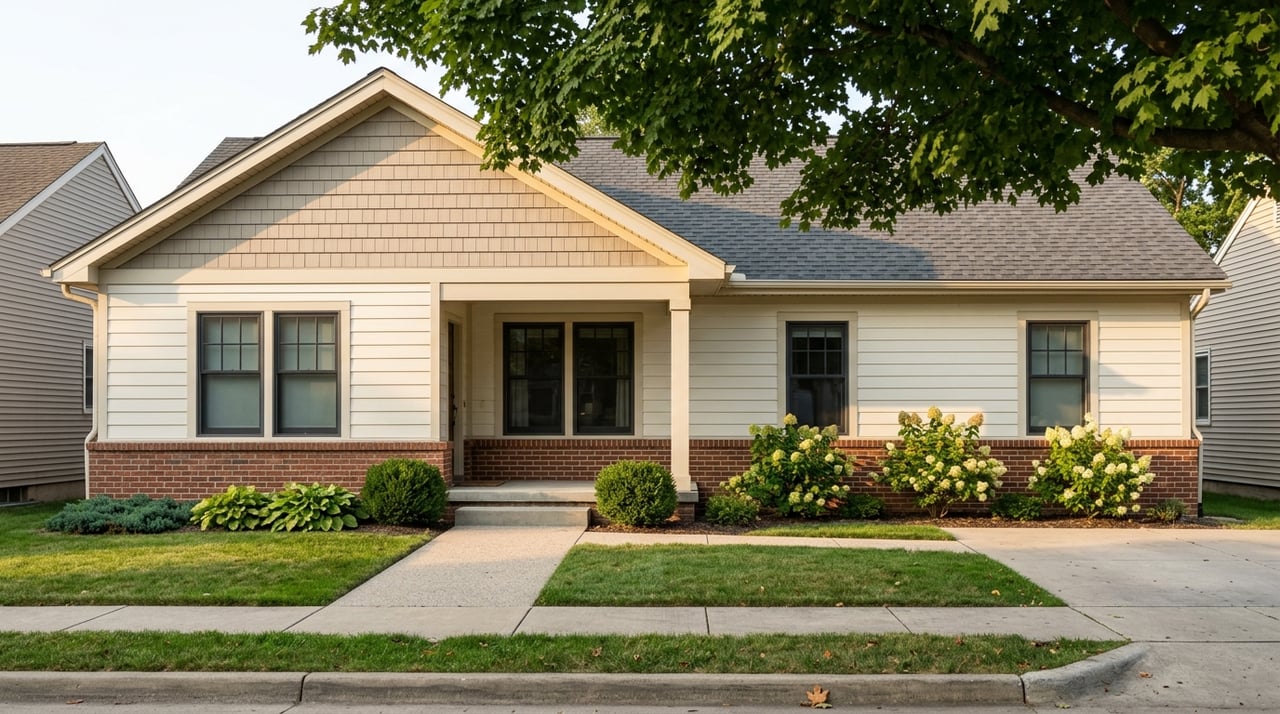
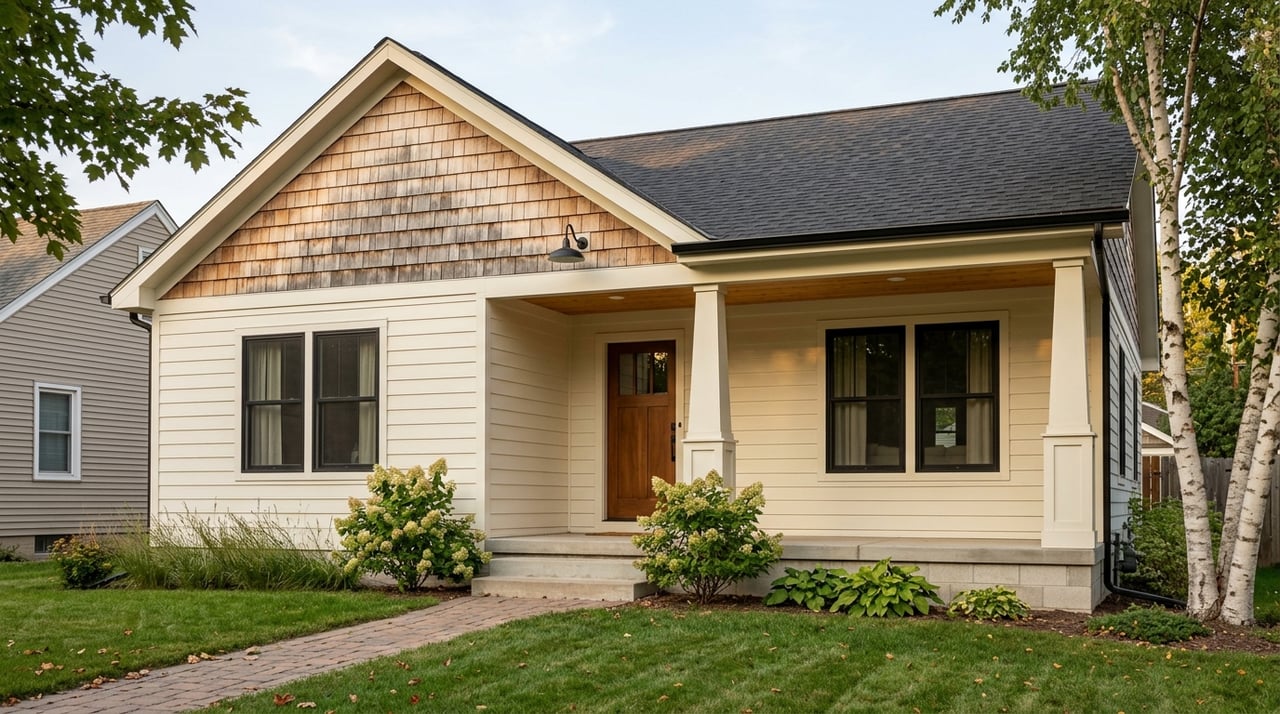
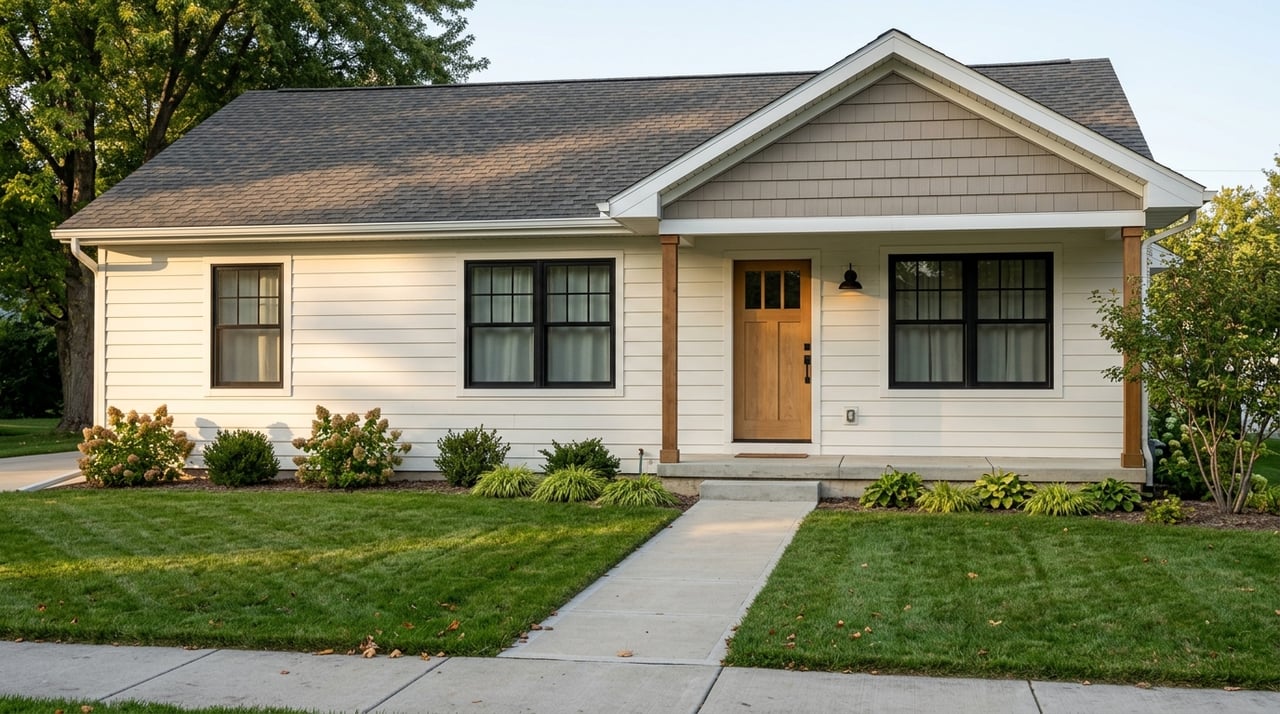
Portage offers a mix of housing types, but detached single-family homes make up the largest share of the housing stock. City planning documents note that single-family detached homes remain the main housing type, with a range that includes older ranch homes in the north, many two-story suburban homes in the south and west, and larger homes near lake areas. For a first-time buyer, that means you may see very different home styles, ages, and price points depending on where you look.
You should also know that Portage has been moving faster than the broader Michigan market. In March 2026, the median sale price in Portage was $310,000, homes sold in about 15 days, and some homes received multiple offers. That pace means preparation matters.
Before you fall in love with a house, build a full budget. It is easy to focus only on the list price, but your real cost includes much more than that. A smart budget helps you shop with confidence and keeps you from stretching too far.
As you plan, think about:
Closing costs are an important part of the picture. Consumer guidance says buyers should expect closing costs to run about 2% to 5% of the purchase price, not including the down payment. If you are buying near the recent Portage median sale price, that can add up quickly.
Portage has many established homes, and that can be a real advantage if you want mature neighborhoods and a range of home styles. At the same time, city housing data shows that more than half of all housing units were built before 1980. Among owner-occupied homes, 62.5% were built before 1980.
For you, that means it is wise to budget for inspections and possible updates to older systems or finishes. Even a home that looks move-in ready may have aging mechanicals, roofing, windows, or electrical components. A careful budget leaves room for both expected and unexpected repairs.
In a faster market like Portage, preapproval is one of the best first steps you can take. A preapproval letter shows that a lender has reviewed your finances and is willing to tentatively approve you up to a certain amount. Sellers often expect to see one when you submit an offer.
It is important to understand what preapproval does and does not mean. It is not the same as final loan approval, and it usually expires in 30 to 60 days. That means timing matters, especially if you start your search before the busiest part of the market.
As you work through this step, keep these points in mind:
If you are a first-time buyer, you may have access to statewide programs that make getting started easier. The Michigan State Housing Development Authority, or MSHDA, offers the MI Home Loan program for eligible first-time buyers statewide. To qualify as a first-time buyer under the program, you must not have owned a home during the previous three years.
The program includes income limits and a minimum credit score of 640. MSHDA also offers MI 10K down payment assistance, which can provide up to $10,000 for down payment, closing costs, and prepaid expenses. Homebuyer education is required if you use the assistance.
Michigan also offers a First-Time Home Buyer Savings Program. According to the state, eligible savings can be used for a down payment and allowable closing costs on a Michigan principal residence, and the account balance cap is $50,000. If you are not ready to buy today, this may be a useful way to prepare for a future purchase.
Once your financing plan is taking shape, you can start narrowing your home search. In Portage, location is not just about the house itself. It is also about how the home fits your daily routine, commute, and travel needs.
The city’s transportation network includes 151 miles of local streets, 73 miles of major streets, and 58 miles of on-street bike lanes. Portage also coordinates on projects involving I-94 and US-131, and residents may use Kalamazoo Metro Transit, the Kalamazoo/Battle Creek airport, and the Kalamazoo Amtrak station. If you commute, travel often, or want easier access to key routes, those details should shape your search.
As you compare homes, consider:
In the greater Kalamazoo area, the market tends to pick up in spring. Regional data from GKAR showed listings entered rising from 307 in January 2026 to 642 in February and 1,065 in March. Sales rose during the same period, from 218 to 426 to 723.
That pattern suggests you should be most prepared as spring inventory arrives. More listings can give you more choices, but more buyer activity can also increase competition. If you want to buy during that season, it helps to have your budget, financing, and search criteria ready ahead of time.
Some buyers may qualify for city-level housing support in Portage. The city’s housing programs include CDBG-funded rehabilitation loans, emergency repair grants, and homebuyer assistance programs in select Portage neighborhoods for income-eligible households.
Because these programs may depend on the property location and your eligibility, it is worth asking early in the process whether a home or neighborhood may qualify. This can be especially important if you are buying an older property and trying to balance upfront costs with future repairs.
When you find the right home, your next step is making an offer that fits both the market and your comfort level. In a somewhat competitive market, speed matters, but so does caution. The goal is not just to win a house. It is to buy a home you can feel good about after closing.
Some Portage homes receive multiple offers, so you may need to move quickly on a well-priced property. Still, you should understand what protections you are keeping, what deadlines apply, and how the terms of your offer affect your risk. This is where steady local guidance can make a big difference.
For many first-time buyers, the inspection is one of the most valuable parts of the process. HUD explains that a home inspection is meant to inform and educate buyers before they make a financial commitment. It gives you a clearer picture of the home’s condition and major systems.
It is also important to know that an appraisal is not the same as an inspection. The appraisal helps the lender estimate value, while the inspection looks at the property’s condition. If you are buying an older Portage home, that difference matters even more.
Closing is the final step where the home purchase and financing usually come together. You will sign the necessary documents, finalize the loan, and complete the purchase. It is the finish line, but it also requires preparation.
Make sure you understand your cash to close well in advance. If a seller or lender offers credits, consumer guidance notes that those costs are often offset somewhere else, such as a higher purchase price or interest rate. The key is to look at the full picture, not just one line item.
Your first home purchase does not have to feel confusing when you have a clear plan and local guidance. If you want help understanding Portage neighborhoods, comparing homes, and getting prepared to buy with confidence, reach out to Benny Wesley for practical, step-by-step support.
Stay up to date on the latest real estate trends.
Whether you're buying your first home, searching for your dream property, or preparing to sell, I'm here to guide you every step of the way. With local Michigan market expertise, personalized service, and a commitment to your goals, I make every real estate experience smooth and successful.
Benny Wesley
5136 Lovers Lane Suite 104 Portage, MI 49002