Battle Creek Housing Options for Every Home Search
July 2, 2026
July 2, 2026
Wondering what kind of home you can actually find in Battle Creek? That is a smart question, because this market is not one-size-fits-all. From historic houses with deep architectural character to downtown apartment-style living and more conventional detached homes in a range of neighborhood settings, Battle Creek gives you several paths to consider. If you want to narrow your search with more confidence, this guide will help you understand the city’s main home styles, housing options, and what to pay attention to before you tour. Let’s dive in.
Battle Creek’s housing stock leans older and more detached than many newer-growth markets. The city’s 2024 Housing Action Plan says 55% of occupied homes were built before 1960, while only 9% were built after 2000. It also notes that about 66% of units are detached single-family homes.
That matters because your search in Battle Creek often starts with existing homes, not brand-new construction. Older homes can offer more character and a lower entry price, but the same city plan notes they may also come with higher maintenance needs or upfront improvements. For buyers, that means looking past the list price and thinking carefully about repair budgets, updates, and long-term upkeep.
Citywide, QuickFacts lists a 66% owner-occupied rate and a median owner-occupied home value of $141,900. That number is best used as a broad benchmark, not as a substitute for current listing prices in a specific area or for a specific home style. The city also says housing supply is not fully keeping up with resident needs, so availability can vary depending on the neighborhood and type of property you want.
If you love older homes, Battle Creek has some standout historic areas. The city has five local historic districts, and each one has a different housing pattern and architectural feel. For many buyers, these areas are appealing because they offer distinctive homes that are hard to replicate in newer neighborhoods.
There is an important practical detail, though. In local historic districts, exterior work generally requires review by the city’s Historic District Commission and a Certificate of Appropriateness. If you are planning a major exterior remodel, window changes, siding work, or other visible updates, that review process should be part of your planning from day one.
Old Advent Town is Battle Creek’s largest historic district and is primarily residential. Homes here commonly include Colonial Revival, Bungalow, American Foursquare, and American Craftsman styles.
If you are drawn to classic floor plans, front porches, and traditional architectural details, this district may be worth a closer look. It can be a good fit for buyers who want historic character but still want a neighborhood that is clearly residential in feel.
Merritt’s Woods is known for architecturally significant single-family homes on large lots. The setting includes dense tree cover, winding streets, and rolling hills, which creates a very different feel from a tighter urban block.
Most homes were built between 1927 and World War II. Colonial Revival and English Tudor Revival styles are common, often with brick or stone exteriors. If lot size, mature landscaping, and established architectural design are high on your list, this is one of Battle Creek’s clearest examples.
Old Maple Street, along Capital Avenue NE, has the city’s largest concentration of architecturally significant homes. Houses here sit on large city lots and represent a wide mix of styles, including Italianate, Queen Anne, Neo-Elizabethan, Greek Revival, Neo-Classical, and Arts-and-Crafts-influenced homes.
This area can appeal to buyers who want visual variety and historic detail. It is also a reminder that not all older homes in Battle Creek look the same. In some parts of the city, your choices may range from simpler early 20th-century houses to more elaborate period architecture.
Battle Creek is not only a single-family market. The city’s zoning includes single-family, two-family, multiple-family, high-density multiple-family, and mobile-home park overlay districts. That zoning mix helps explain why your options may include duplexes, small multifamily buildings, larger apartment properties, and more compact housing choices.
The Housing Action Plan says 12% of units are in 2-to-9-unit buildings, 11% are in 10-to-49-unit buildings, and 7% are in buildings with 50 or more units. Attached single-family homes make up about 1% of units, while another 3% fall into other categories, including mobile homes. In simple terms, detached houses lead the market, but attached and multifamily living are still meaningful parts of the local housing picture.
The Village at Irving Park offers a useful example of adaptive reuse near the urban core. It centers on a large art deco building that was renovated into 31 living units and is now fully residential.
For buyers or renters focused on a more compact layout and less yard work, this type of housing can be attractive. It also shows that in Battle Creek, some housing options come from creative reuse of older buildings rather than large amounts of new construction.
Downtown Battle Creek has also added residential density through mixed-use redevelopment. The Milton, a 1931 art deco building formerly known as Heritage Tower, now includes 85 apartment units.
A 2026 state redevelopment announcement also says a former K-Mart site in downtown Battle Creek will become a mixed-use campus with a four-story building adding 80 apartments. For anyone who wants to stay closer to downtown services, redevelopment activity is an important part of the housing conversation.
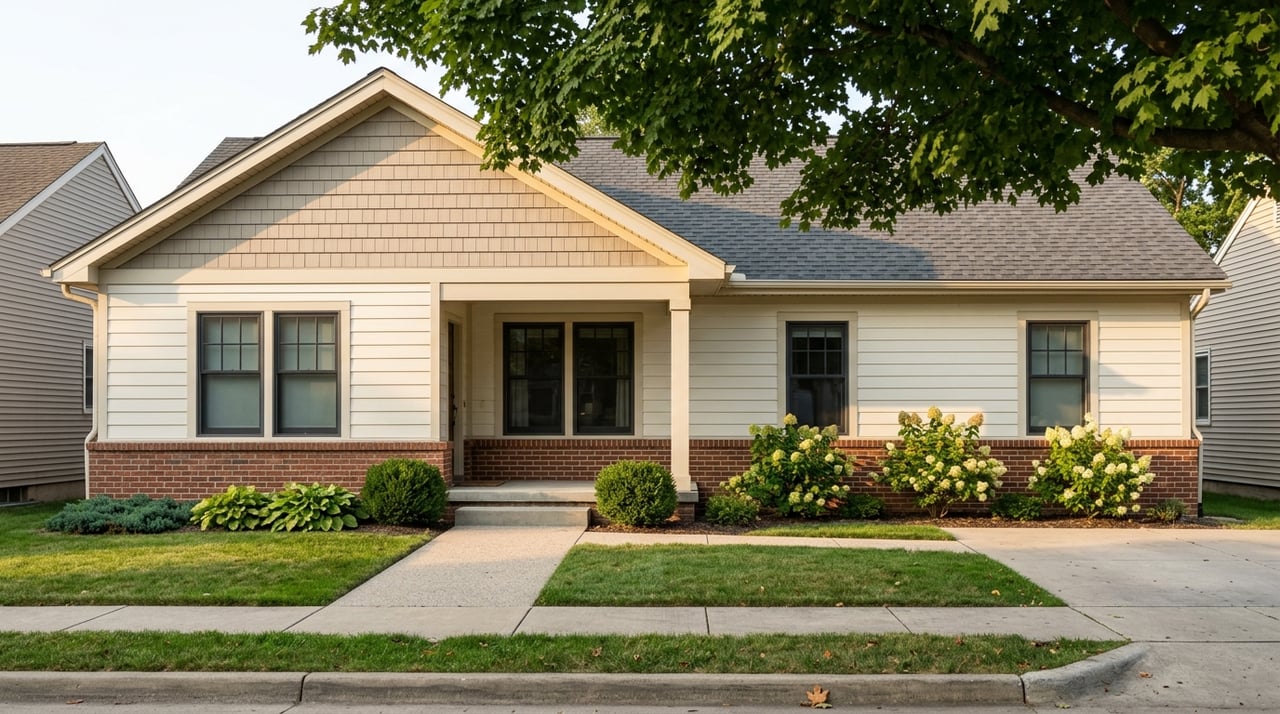
If your goal is a more conventional detached-house search, Battle Creek offers a wider mix than citywide averages might suggest. While detached single-family homes are the dominant type overall, lot size, street pattern, and housing character can change quite a bit from one area to another.
The city organizes resident input through Neighborhood Planning Councils, including areas such as Post-Franklin, North Central, Central, Northeast, Urbandale, Westlake/Prairieview, and Minges Brook-Riverside. These are useful reference points when you want to compare neighborhoods in a more local, map-based way rather than relying on broad assumptions about the city.
A practical approach is to compare blocks, not just ZIP codes or city averages. The city’s GIS parcel information and neighborhood maps can help you look at lot layout, nearby corridors, and surrounding property patterns before you even schedule a showing.
One of the biggest trade-offs in Battle Creek is the balance between character and maintenance. In areas like Merritt’s Woods and Old Maple Street, official city descriptions point to larger lots and mature residential settings. Those features can be a major plus if you value space, trees, and an established streetscape.
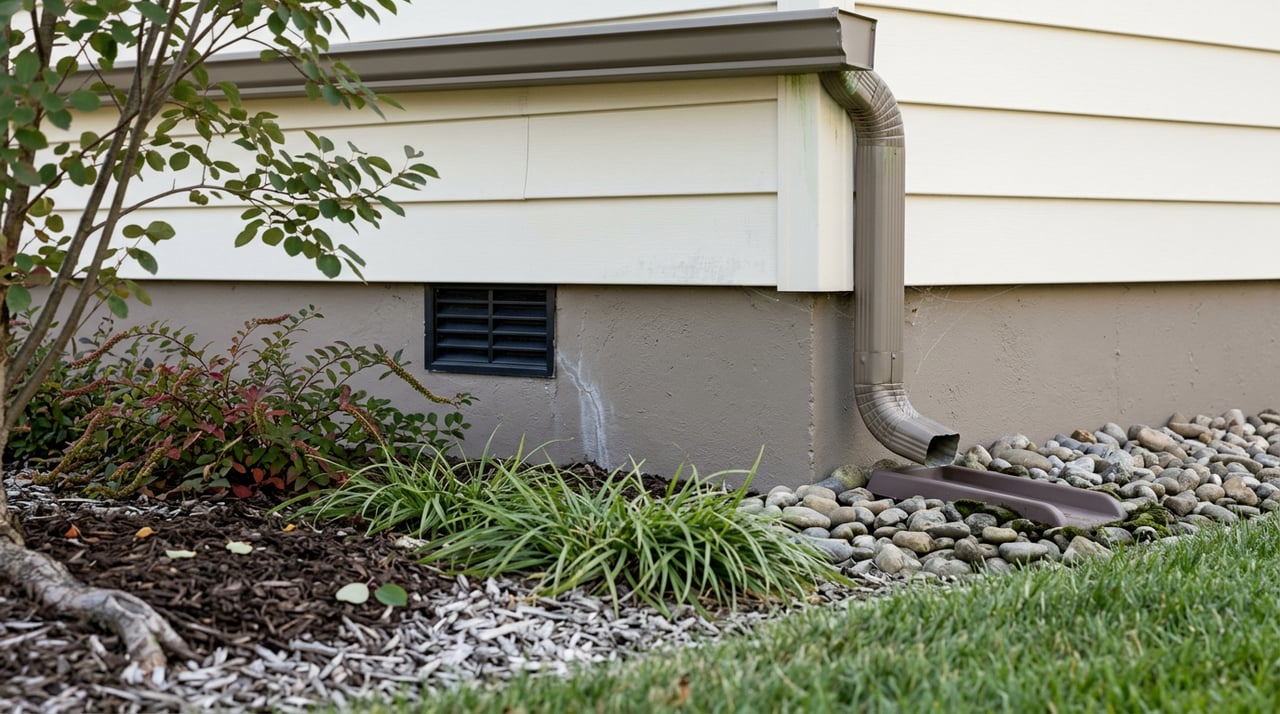
At the same time, older homes often need more upkeep. The city’s Housing Action Plan specifically notes that older homes can bring higher maintenance or upfront-improvement costs. If you are comparing a historic home to a compact apartment-style unit or a more typical detached house, your comfort with repairs and yard work should be part of the decision.
A simple checklist can help:
In Battle Creek, commute convenience is often more about corridors than neighborhoods with one universal feel. The city’s Maps and Directions page highlights I-94 and M-66 as major travel routes, with M-66 connecting toward downtown.
Battle Creek Transit lists fixed routes including West Michigan, Emmett-East Avenue, Columbia-Territorial, Main-Post, Kendall-Goodale, NE Capital Avenue, SW Capital Avenue, and Fort Custer-VA Hospital. Tele-Transit also provides door-to-door service for Battle Creek, Springfield, and limited portions of Bedford, Emmett, and Pennfield townships.
That means homes near downtown or along bus routes may offer more flexibility if you want to reduce driving. Outlying single-family areas will generally be more car-dependent. If commute ease matters to you, it helps to map your route, not just your favorite house.
The best Battle Creek home search starts with your lifestyle, not just the number of bedrooms. If you want historic architecture and larger lots, areas like Merritt’s Woods, Old Maple Street, and Old Advent Town deserve a closer look. If you want less yard work and a more compact setup, downtown or the Village at Irving Park may line up better with your goals.
If you are open to a more traditional detached-home search, use neighborhood maps and parcel tools to compare specific areas such as Urbandale, Post-Franklin, Westlake/Prairieview, North Central, or Minges Brook-Riverside. In a city where housing stock varies this much, local block-by-block insight can make a big difference.
The key is to match the home style to your budget, maintenance comfort level, and daily routine. If you want help sorting through Battle Creek options and comparing homes with a practical local lens, Benny Wesley is here to help you move forward with clear guidance and responsive service.
Stay up to date on the latest real estate trends.
Whether you're buying your first home, searching for your dream property, or preparing to sell, I'm here to guide you every step of the way. With local Michigan market expertise, personalized service, and a commitment to your goals, I make every real estate experience smooth and successful.
Benny Wesley
5136 Lovers Lane Suite 104 Portage, MI 49002